3 Hour Skill-Based Classes
These classes can be purchased in addition to your base registration. They cost $65 each, places are limited. These classes run at the same time as other content, please check the programme to understand what content runs simultaneously.
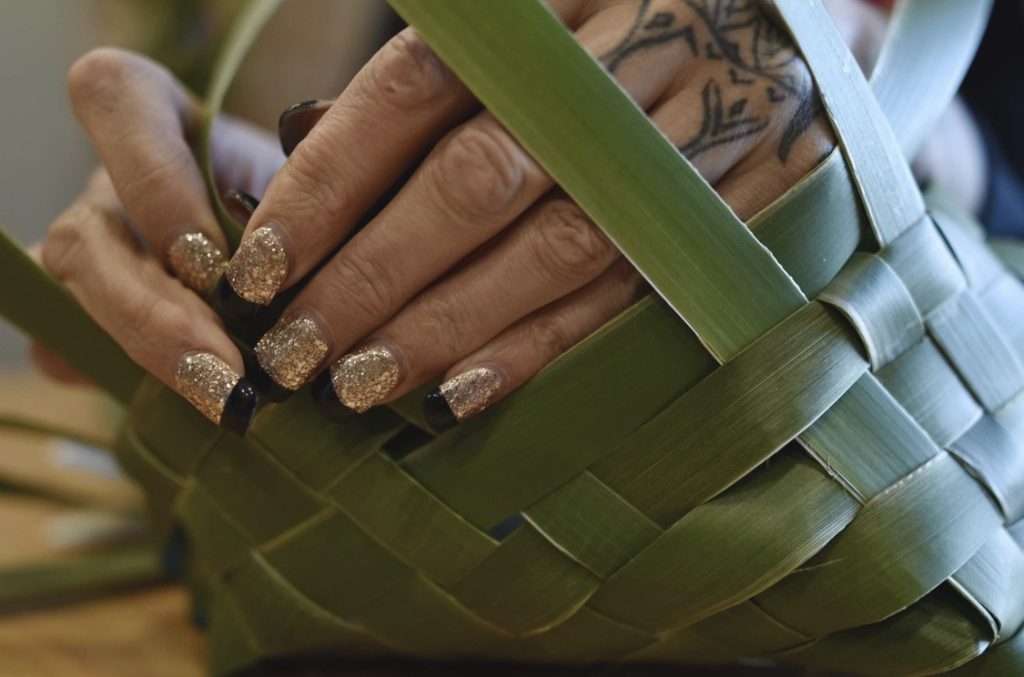
Harakeke Weaving
Teacher: Amber Bridgman
Join Amber Bridgman, local Kai Tahu Weaver and creative, in an introductory workshop into weaving a two corner kete constructed out of harakeke. You will learn the cultural aspects of weaving and harvesting Harakeke/ flax.
No previous weaving experience is required.
This is an exciting introduction to weaving which will teach the construction and help you lay down your basic flax weaving knowledge. All materials are supplied.
Tangata whenua who wish to take this class are invited to contact Morag about early enrolment.
An Introduction to Sanquhar Knitting
Teacher: James Herbison
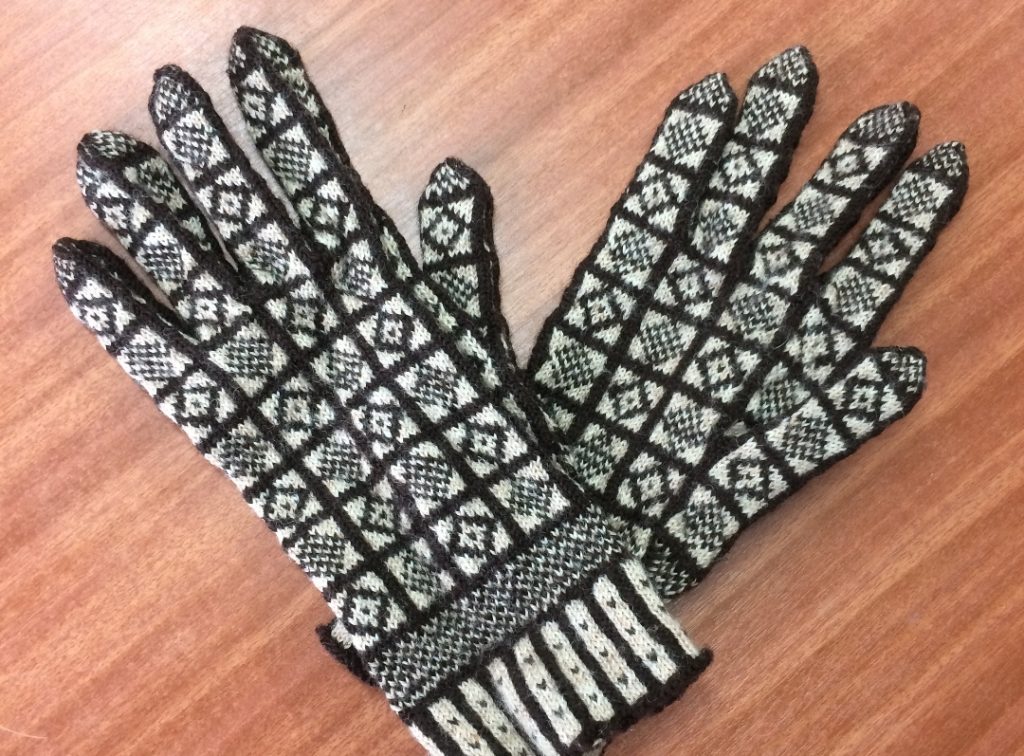
Welcome along on a virtual journey to Sanquhar, a town in the south of Scotland located next to the river Nith. The town is famous for having the oldest operating post office in the United Kingdom but also, and of more relevance to us, for a traditional style of knitting also called Sanquhar. Sanquhar knitting features two colours, worked in a grid like pattern with a series of motifs.
In this workshop you will receive an overview of the history of Sanquhar and the traditional style of knitting which takes the same name. We will delve into the various motifs and learn their names and meanings. You will also learn about Sanquhar Pattern Designs, an initiative with the goal of preserving and promoting this knitting tradition.
We will put what we have learned into practice by starting a small project which encompasses the characteristics of Sanquhar knitting. You will get to express your creativity by modifying the basic pattern so that each participant’s project will be unique to them.
Steek – Steeking, Steeked!
Teacher: Stella Lange
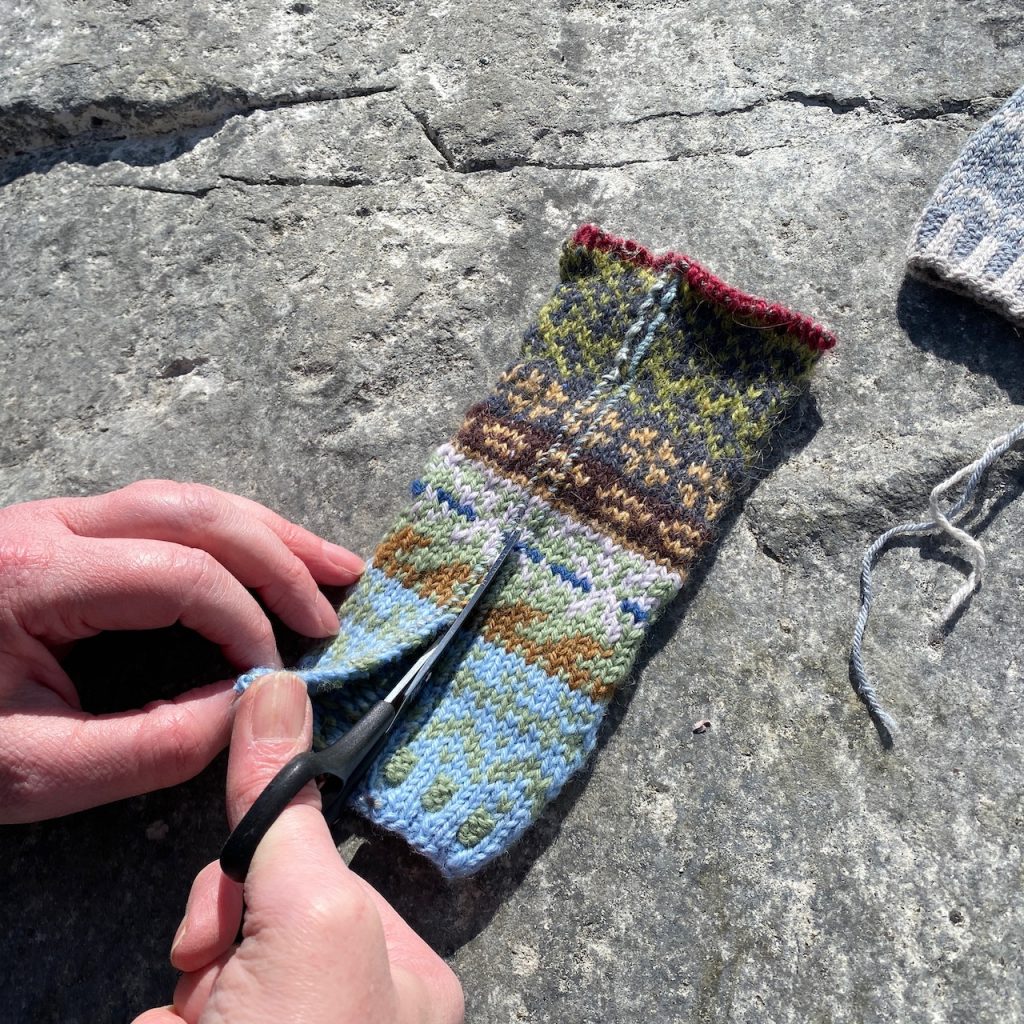
Get your scissors out and master the steek. Steeking is a method by which knitting is prepared for cutting. Steeks are a colourwork knitters secret weapon, valuable for anyone who loves to knit in the round.
Steeking was once considered the knitters equivalent of running with scissors. Elizabeth Zimmerman wrote that some knitters needed a drink and wee lie down after their first steek. There will be scissors but there will not be running – this is an excellent opportunity to attempt your first steek with guidance and peer support. You’ll wonder what all the fuss was about afterwards, there is no stopping once you’ve done your first.
This workshop will introduce two common methods of seeking and look at what to do next. We will cover both hand-sewn and crochet steek techniques, and then will showcase two methods of adding a neat finish to a steeked edge.
Suitable for beginner knitters and beyond. Participants should be able to knit, thread and use a yarn-sized sewing needle, and know one end of a crochet hook from the other.
Tools & Techniques for Tiny Tubes
Teacher: Wendy Wong
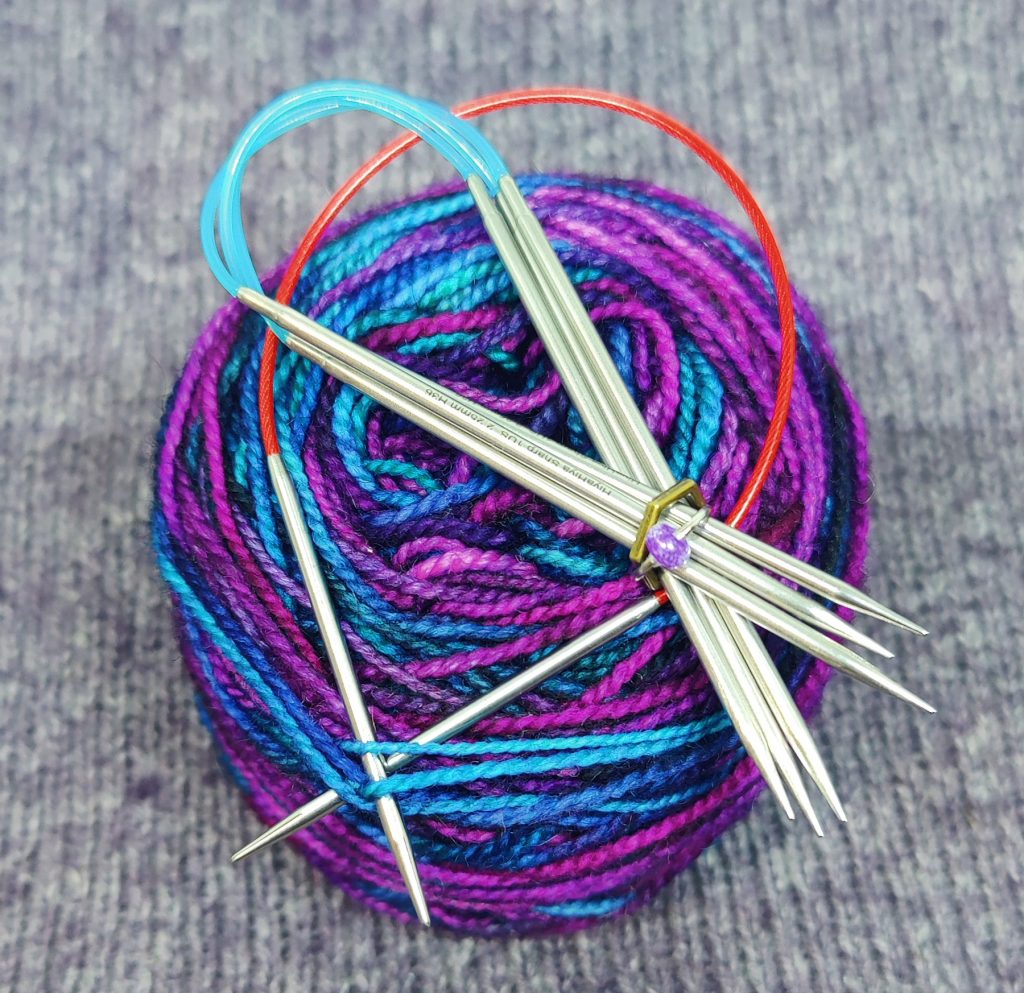
Are you still looking for the perfect tools to knit socks, sleeves, or stuffies in the round? It can be expensive to buy new needles just to try them out, so here’s a chance to test drive a range!
Join veteran sock knitter Wendy to test out tools for magic loop and two circulars and try out double-pointed needles (DPNs), short circulars, and flexi trios.
Find what methods works best for your hands and your style of knitting, get tips for different tools and knitting styles, and work on a tiny thing to take home.
This class includes trial access to various styles and sizes of fixed and interchangeable needles from Chiaogoo, KnitPro, and Hiyahiya.
If you’ve found knitting small things in the round frustrating, this is an opportunity to explore the many methods that can be used and find the tools that work for you.
1.5 Hour Talks
These are included in the base registration for Unwind 2024. All delegates can attend these sessions (and are encouraged to do so).
Shetland – A Yarn Lovers Fibre Adventure
Speaker: James Herbison
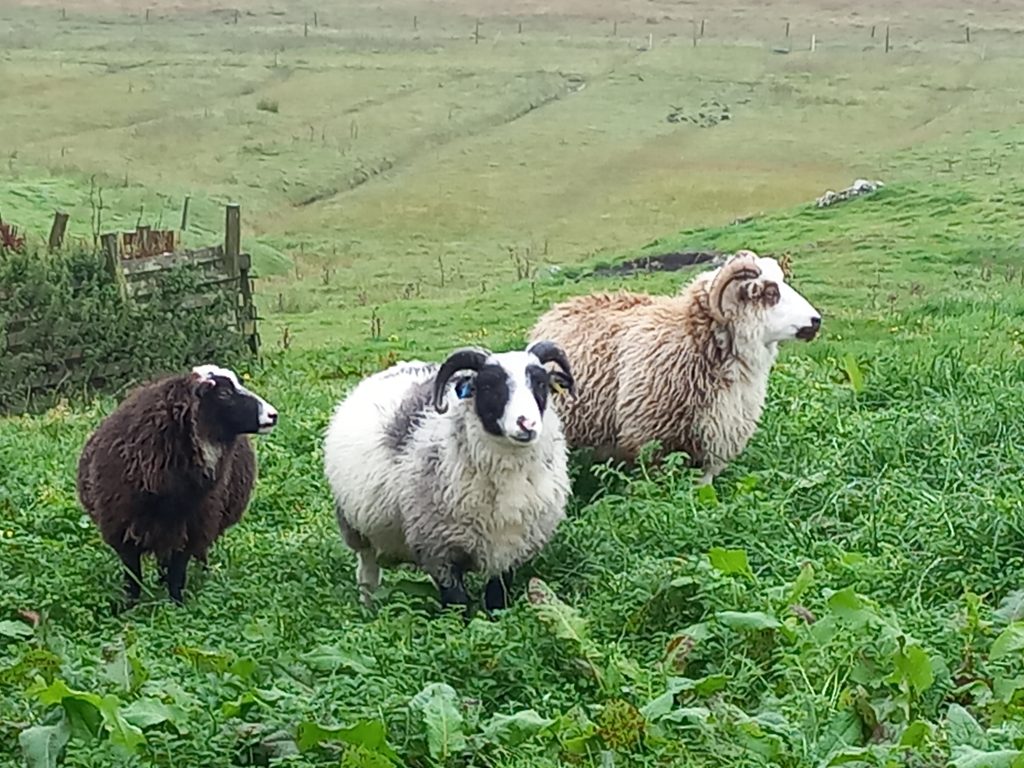
Shetland… it’s a place much loved by knitters from around the world because of its colourful knitting traditions inspired by the land and the sea, not to mention the unique wool grown on the island group. Have you ever been tempted to go there to experience it for yourself?
Join James as he gives a talk on his recent fibre adventures on Shetland including being part of a knitting tour and also attending Shetland Wool Week in 2023. You will hear his insights on Shetland from a knitter’s perspective as well as anecdotes from his adventures including that the Islanders do not like being referred to as Scottish. Travel tips for getting to Shetland as well as moving around the islands. A selection of fibre producers, crafters and knitters will be profiled as well as an overview of the fibre temptations on offer including the shops not to be overlooked.
A photo presentation will accompany the talk and, time permitting, there will be a question-and-answer session after the completion of the talk.
Tales from a Fat Knitting Mermaid
Speaker: Rebecca Bond
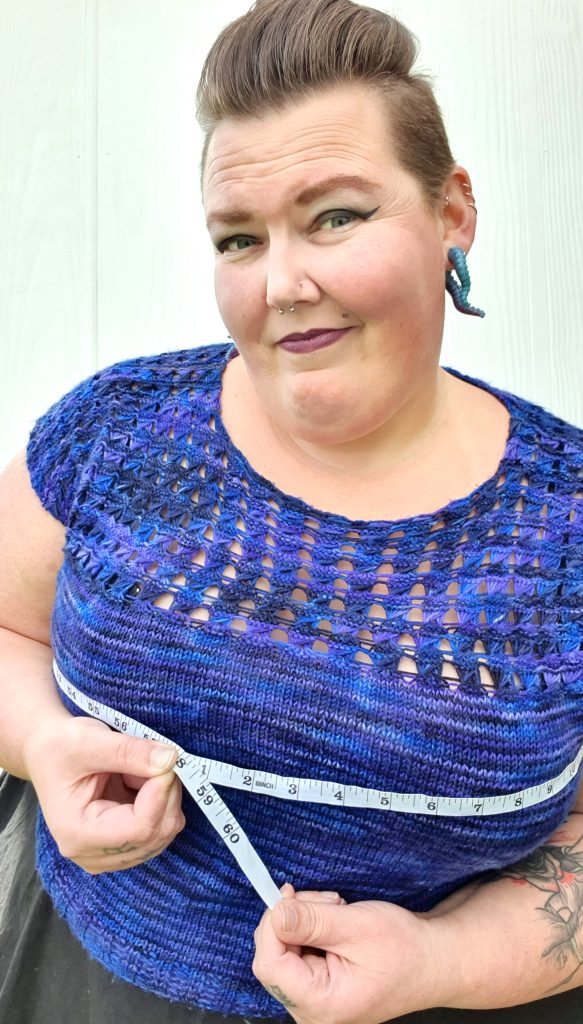
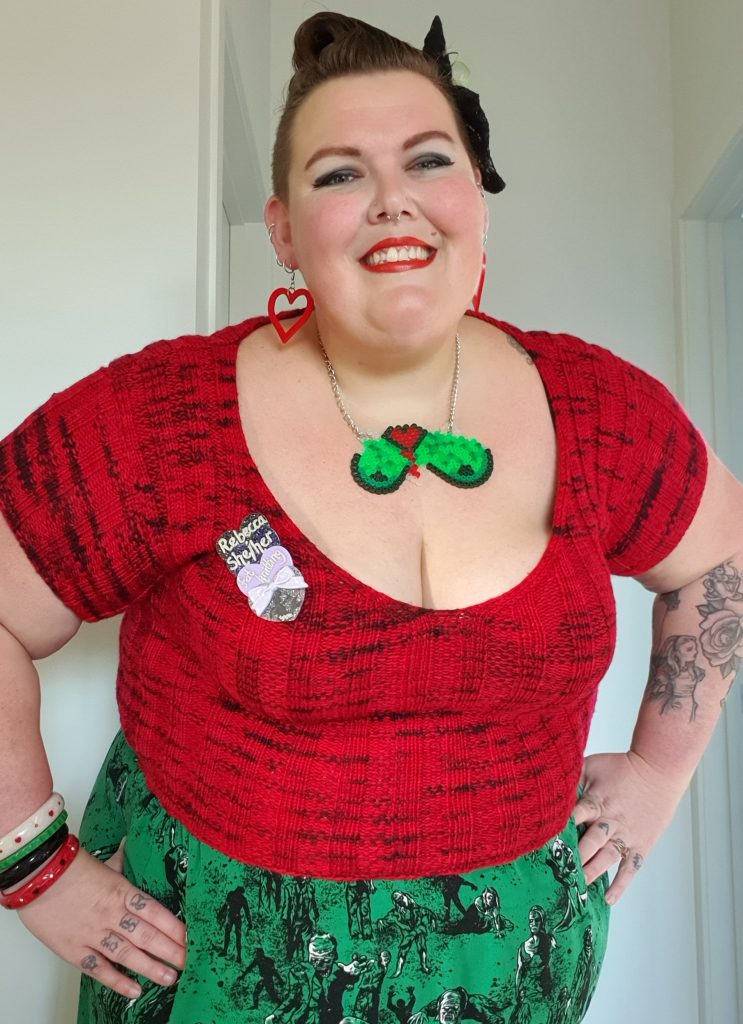
Rebecca Bond (aka The Fat Knitting Mermaid) talks about the joys and challenges that come with creating garments for her fat body.
Take a walk in her shoes and along the way learn how we can start to shape our knitting community to be a more inclusive and welcoming place for all body sizes.
Speed Knitting, Socks & Stopwatches
Teacher: Wendy Wong
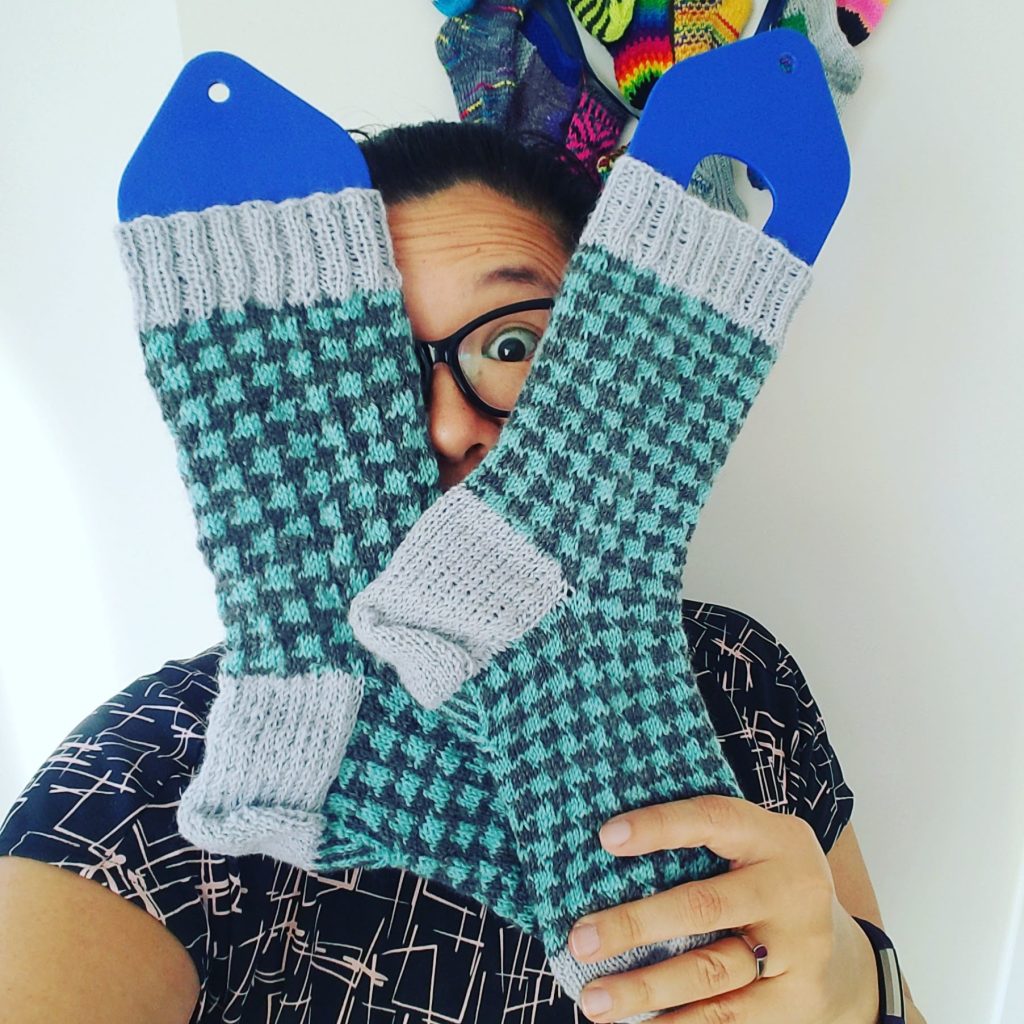
Wendy is a five-time finalist and three-time runner up in Sock Madness, an international speed sock knitting competition where she’s always in the wrong time zone.
Find out what it takes to start a mystery pattern at midnight and knit for almost 24 hours straight.
Get the inside scoop about competitive knitting and see how wonky gauge can get at speed.
Learn how Wendy keeps track of her progress and pace and discover tools to help you do the same with your own projects. And of course, see and squish lots of socks!
2.5 Hour Sessions
These are also included in the base registration for Unwind 2024. All delegates can attend these sessions (and are encouraged to do so).
Intentional Making
Teacher: Jodi Halleux
In recent years there has been an increasing focus on sustainability in crafting, not only in terms of environmental impacts but also in mental and physical sustainability of making.
This session will explore themes related to sustainability, construction and intention in making, both practical and abstract.
Topics include managing stash acquisition, enjoyment and (occasional) disposal; suitability and use of materials and project planning; with the aim of sympathetically examining what it means to have achieved enough.
Size Matters – Size Inclusivity and the Pattern Makers
Teacher: Rebecca Bond
Do you want to design and publish your own garment patterns? Do you want to ensure you’re supporting designers who make size-inclusive patterns?
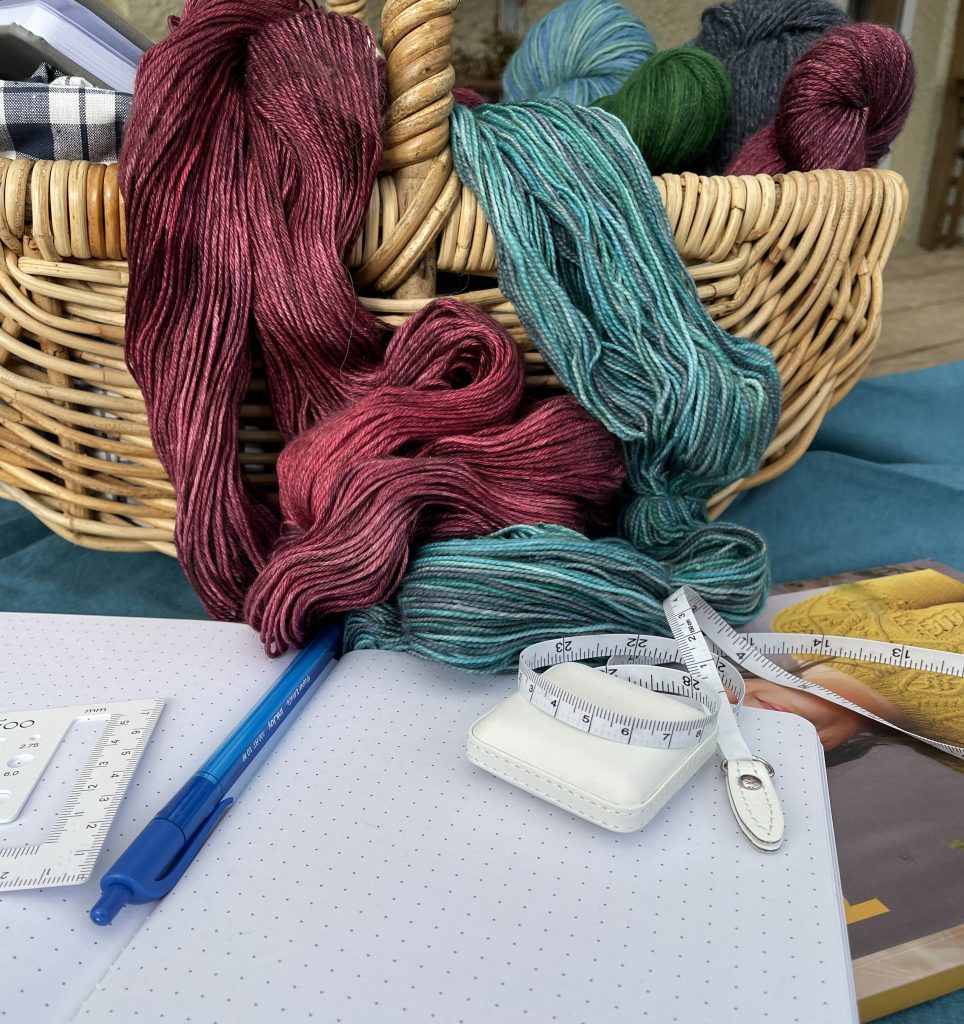
Rebecca Bond (aka The Fat Knitting Mermaid) looks at what makes a great knitting pattern for a fat body. Learn what makes a pattern truly size-inclusive and what pitfalls to avoid.
Designers will gather valuable information that will broaden their customer base. Knitters who want to make size-inclusive choices when purchasing patterns will learn easy ways to ensure they’re selecting worthy candidates.